Cocktail education
Syrups, Bitters and Infusions: A Beginner's Guide
The short answer
Syrups sweeten, bitters add depth, and infusions add flavour. All three are easy to make at home with a few ingredients, and they are the fastest way to make your cocktails taste like your own.
What is simple syrup and how do you make it?
Simple syrup is equal parts sugar and water, heated just until the sugar dissolves, then cooled. It sweetens cocktails evenly because sugar dissolves instantly in liquid, unlike granulated sugar in cold drinks. A 1:1 syrup is the standard for sours and highballs.
- Combine 1 cup sugar and 1 cup water in a pan.
- Warm gently, stirring, until the sugar fully dissolves. It does not need to boil.
- Cool, bottle, and refrigerate.
A richer 2:1 syrup (two parts sugar to one part water) is thicker and adds less water to a drink. Both keep for several weeks in the fridge; make small batches and throw them out if they look cloudy or smell off.
Syrup ratios and steep times
How long to steep in warm syrup
- Mint5-10 min
- Ginger20-30 min
- Cardamom30-60 min
- Cinnamon30-60 min
- Citrus peel1-2 h
How do you make flavoured syrups?
Add flavour while the syrup is warm, then strain once it cools.
| Flavour | How to add it | Steep time |
|---|---|---|
| Ginger | Slice fresh ginger and simmer in the syrup | 20-30 minutes |
| Cardamom | Lightly crush pods and steep in warm syrup | 30-60 minutes |
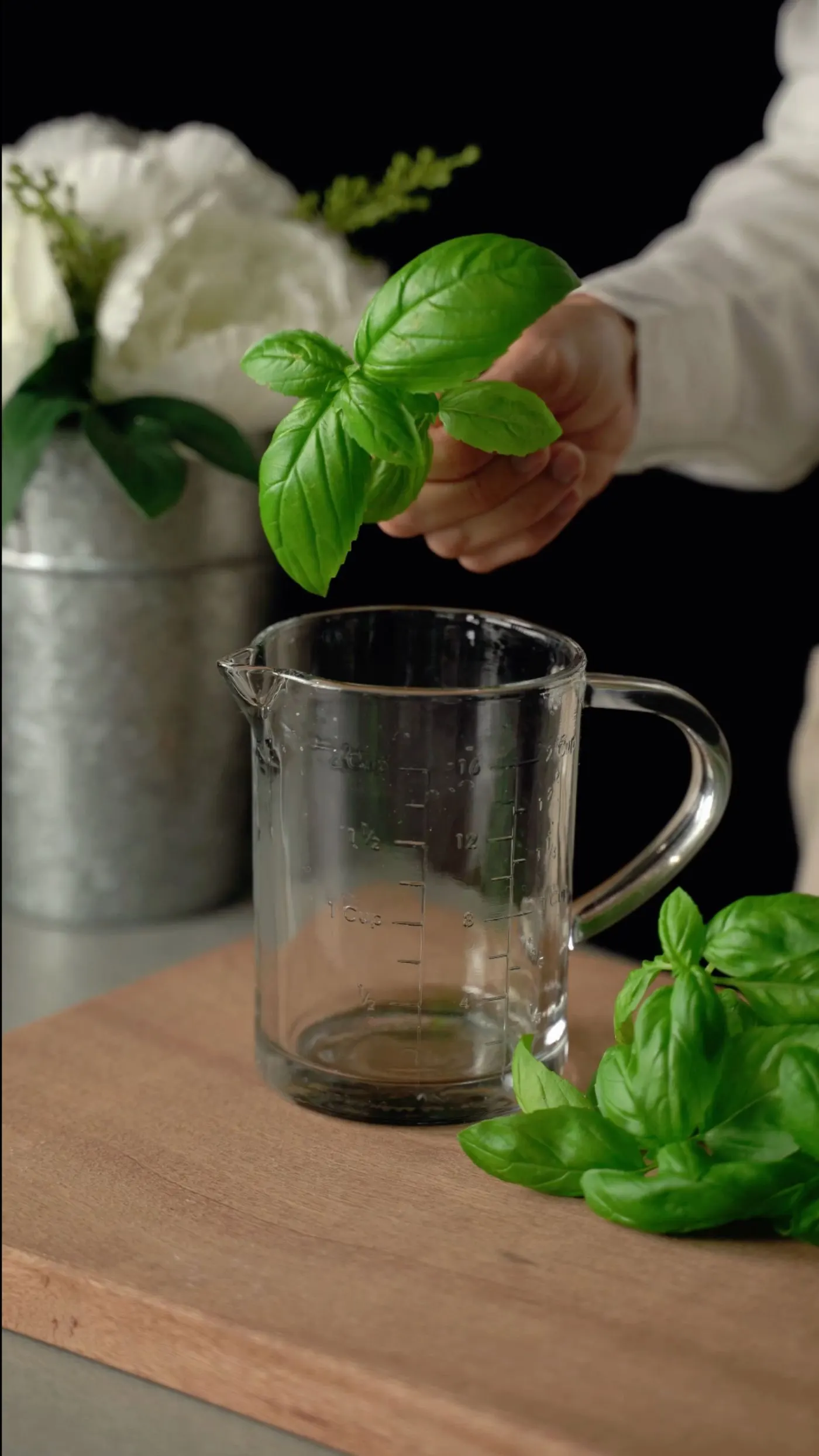
| Mint | Add leaves to warm (not boiling) syrup | 5-10 minutes |
| Citrus peel | Add peels without the white pith | 1-2 hours |
| Cinnamon | Steep sticks in hot syrup | 30-60 minutes |
What are bitters?
Bitters are a concentrated alcohol extract of bitter and aromatic botanicals such as herbs, roots, bark and peel. They are used in dashes, not pours, because a few drops add depth and balance the way salt does in cooking. Aromatic bitters suit whisky drinks, orange bitters suit gin and vermouth drinks, and chocolate or coffee bitters suit rich, dark drinks.
Full homemade bitters need a high-proof spirit and weeks of steeping, so most beginners are better off buying one good bottle first. A simpler way to get started is to infuse a spirit, below.
How do you infuse spirits at home?
To infuse a spirit, put the flavouring ingredient in a clean jar, cover it with the spirit, seal, and taste every few hours until it reaches the strength you like. Then strain through a fine strainer or coffee filter.
| Ingredient | Suggested spirit | Time to start tasting |
|---|---|---|
| Fresh chilli | Vodka or tequila | 30 minutes to 2 hours |
| Citrus peel | Gin or vodka | 12-24 hours |
| Cinnamon stick | Whisky or rum | 1-2 days |
| Coffee beans | Rum or vodka | 12-24 hours |
| Vanilla bean | Rum or bourbon | 2-4 days |
These times are starting points. Strong ingredients like chilli can over-infuse in hours, so taste early and often.
What mistakes should beginners avoid?
- Boiling sugar syrup too hard, which concentrates it and changes the sugar ratio.
- Leaving fresh ingredients in a spirit for too long, which turns the flavour bitter or muddy.
- Storing homemade syrup at room temperature, where it spoils quickly.
- Labelling nothing. Write the contents and date on every bottle.
Frequently asked questions
What is the ratio for simple syrup?
The standard ratio is 1:1, equal parts sugar and water. A richer syrup is 2:1, two parts sugar to one part water.
How long does homemade simple syrup last?
Refrigerated and stored in a clean bottle, it lasts several weeks. Discard it if it turns cloudy or smells sour.
What do bitters do in a cocktail?
Bitters add aroma, depth and balance, the way salt does in food. A dash or two can transform a drink.
Can you make bitters at home?
Yes, but it takes weeks and a high-proof spirit. Beginners should start with a bottle of aromatic bitters and experiment with infusions first.
What is the easiest infusion for a beginner?
Citrus peel in vodka or gin, or a vanilla bean in rum, because the results are forgiving.