Cocktail education
Shaken vs Stirred: The Real Rule, Explained

The short answer
Shake cocktails that contain citrus, juice, cream or egg. Stir cocktails made only of spirits, vermouth and bitters. Shaking chills fast and adds texture; stirring keeps a drink clear and silky.
Should a cocktail be shaken or stirred?
Shake a cocktail when it contains citrus, juice, cream, egg or syrup-heavy mixers, and stir it when it contains only spirits, vermouth, liqueurs and bitters. Shaking blends ingredients of different densities and adds air. Stirring chills and dilutes gently without clouding the drink.
Shake or stir?
Shake
If it has citrus, juice, cream or egg
- Margarita
- Daiquiri
- Whiskey Sour
- Espresso Martini
Stir
If it is only spirits, vermouth and bitters
- Negroni
- Manhattan
- Old Fashioned
- Classic Martini
What does shaking do?
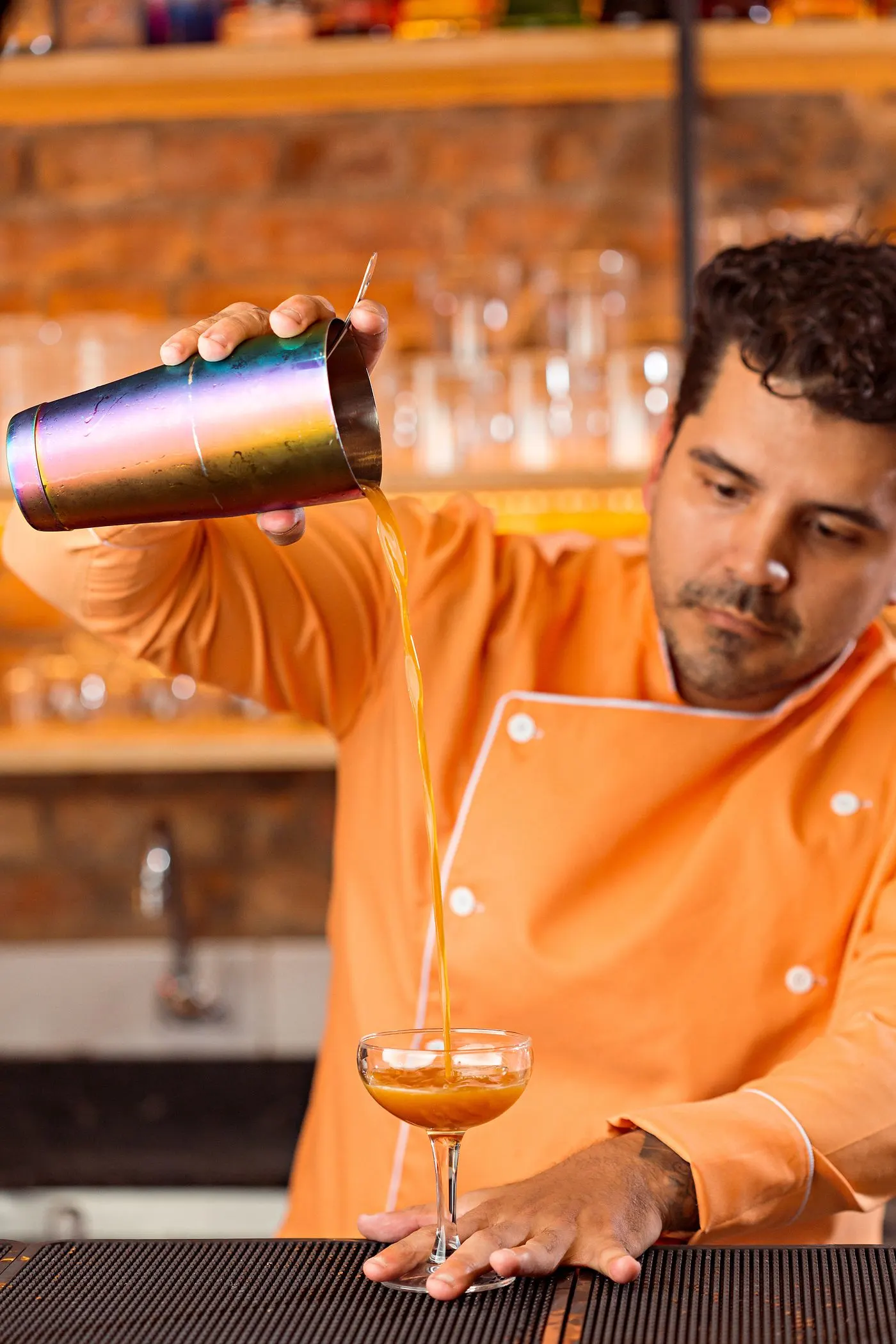
Shaking is violent, fast and effective. In 10-15 seconds it chills the drink, adds water through melting ice, and whips in tiny air bubbles that give a drink a light, frothy texture. That is why a Whiskey Sour or Daiquiri tastes lively after shaking: the citrus and sugar need to be fully integrated, and the air softens the sharpness.
What does stirring do?
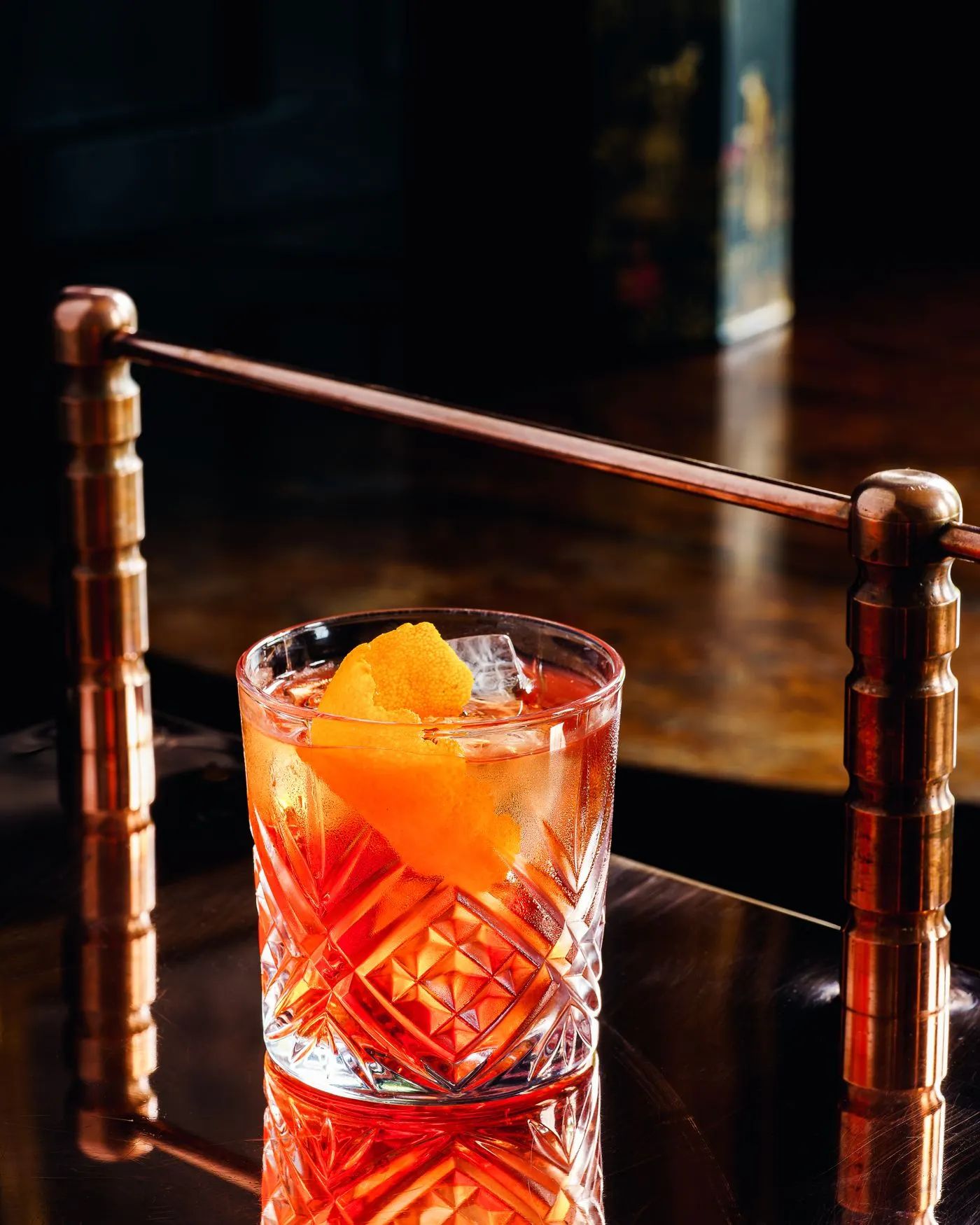
Stirring is slower and gentler. In 20-30 seconds it chills and dilutes the drink while keeping it crystal clear and giving it a smooth, silky texture. A Manhattan or Negroni should look like jewel-coloured glass, not a cloudy blend, which is why these are stirred.
Which method for which drink?
| Cocktail | Method | Why |
|---|---|---|
| Margarita | Shake | Contains lime juice |
| Daiquiri | Shake | Contains lime juice |
| Whiskey Sour | Shake (add egg white: dry shake first) | Citrus and optional egg white |
| Espresso Martini | Shake hard | Coffee needs air to form a foam |
| Negroni | Stir | Spirits only; should stay clear |
| Manhattan | Stir | Whiskey, vermouth and bitters only |
| Old Fashioned | Stir | Spirit, sugar and bitters only |
| Classic Martini | Stir | Spirit and vermouth only |
What about "shaken, not stirred"?
The famous James Bond line is a matter of taste and fiction, not technique. A shaken martini is colder, more diluted and slightly cloudy with tiny ice shards. Many bartenders consider that a flaw, but if you enjoy it that way, it is a valid choice.
How do you shake and stir properly?
- Shake: Fill the shaker two-thirds with ice, seal it, and shake hard for 10-15 seconds until the outside is painfully cold. Double strain to remove ice shards.
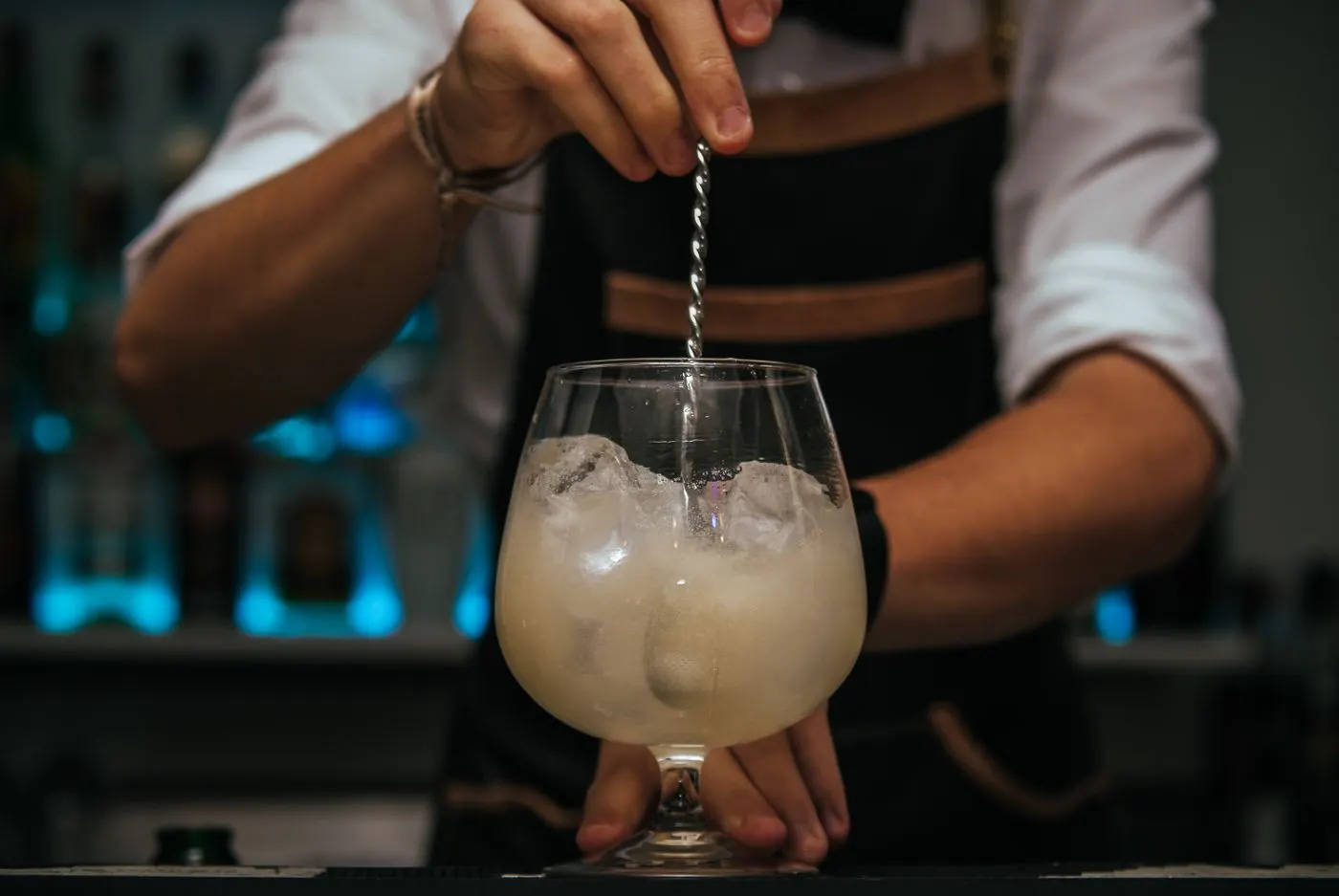
- Stir: Use a long bar spoon, keep the spoon against the glass wall, and stir smoothly for 20-30 seconds until the outside of the glass frosts.
- Both: Always use plenty of cold, dry ice. Wet or small ice melts too fast and waters the drink down.
Frequently asked questions
Why do you shake drinks with citrus?
Citrus juice and sugar are denser than spirits and don't blend by stirring alone. Shaking mixes them quickly and adds a light texture.
How long should you shake a cocktail?
About 10-15 seconds is enough for most cocktails. Beyond that, extra shaking mostly adds water.
Can you stir a drink that has juice in it?
You can, but it will stay under-mixed and flat. Juice drinks are meant to be shaken.
What is a dry shake?
A dry shake means shaking without ice first, typically for egg white drinks, to build foam. Then you add ice and shake again to chill.
Does shaking make a drink stronger or weaker?
Weaker. Shaking adds more water than stirring, which lowers the alcohol percentage slightly while chilling the drink faster.